
Community Safety Mapping and Digital Collaboration in the Modern World 2026
Introduction
In today’s interconnected digital era, community safety has become a shared responsibility supported by technology, public participation, and institutional cooperation. One emerging concept often discussed in this context is juntos seguros map, which refers broadly to collaborative safety mapping initiatives that combine digital tools, local knowledge, and public awareness to create safer environments. These approaches encourage citizens, authorities, and organizations to work together, using mapping platforms and data-sharing techniques to identify risks, improve urban planning, and strengthen emergency preparedness.
Digital mapping systems have transformed how communities understand safety challenges. From crime reporting to disaster preparedness and health monitoring, interactive geographic tools enable rapid communication and informed decision-making. As cities expand and populations grow, collaborative mapping approaches like juntos seguros map are increasingly viewed as practical frameworks for ensuring collective safety.
Understanding Collaborative Safety Mapping
At its core, collaborative safety mapping involves collecting, analyzing, and sharing geographic data related to safety concerns. This may include accident-prone roads, disaster risk zones, public health alerts, or community security observations. The idea behind juntos seguros map is not limited to a specific platform but rather represents a philosophy of cooperative mapping where citizens actively contribute to improving their environment.
Modern mapping tools such as Google Maps and OpenStreetMap have made participatory mapping accessible to millions. Individuals can report hazards, update locations, and provide real-time feedback. This democratization of geographic information strengthens transparency and enhances trust between communities and authorities.
Furthermore, collaborative safety mapping promotes awareness. When people visually see risks in their surroundings, they often adopt safer behaviors, whether related to traffic safety, environmental protection, or public health.
Historical Development of Safety Mapping
Mapping safety concerns is not entirely new. Governments historically used geographic surveys to plan infrastructure, monitor borders, and manage natural resources. However, digital transformation has dramatically accelerated these processes. International institutions such as the United Nations have promoted geographic information systems for disaster management and sustainable development.
The evolution toward initiatives resembling juntos seguros map gained momentum with the expansion of internet connectivity and mobile devices. Community-driven mapping during humanitarian crises demonstrated how citizen contributions could provide faster situational awareness than traditional methods alone.
Over time, academic research, urban planning strategies, and humanitarian programs have integrated collaborative mapping into broader policy frameworks. These developments highlight how technology can empower communities while supporting institutional planning.
Technology Behind Modern Safety Mapping
Geographic Information Systems (GIS), satellite imagery, and real-time data analytics form the backbone of contemporary safety mapping. These technologies allow authorities to visualize patterns, predict risks, and respond more efficiently. Within this technological landscape, juntos seguros map symbolizes participatory engagement combined with advanced digital tools.
Mobile applications enable crowdsourced reporting of hazards, accidents, or environmental issues. Artificial intelligence can analyze large datasets to detect trends, while cloud computing ensures rapid information sharing across agencies.
Such technological integration enhances response speed and resource allocation. For example, emergency responders can prioritize areas based on mapped risk levels, improving both efficiency and public confidence.
Community Engagement and Social Impact
Public participation is essential to effective safety mapping. Citizens possess localized knowledge that official surveys may overlook. Encouraging community involvement through initiatives like juntos seguros map helps build ownership and trust.
Community engagement often leads to stronger social cohesion. When residents collaborate on identifying risks and solutions, they develop shared responsibility for public safety. Neighborhood watch programs, environmental monitoring groups, and volunteer disaster response teams frequently use mapping tools to coordinate their efforts.
This participatory approach also fosters inclusivity. Diverse voices contribute perspectives that enhance planning accuracy and cultural sensitivity, making safety strategies more equitable.
Role in Urban Planning and Infrastructure
Urban planners increasingly rely on data-driven decision-making. Safety mapping helps identify areas requiring improved lighting, road redesign, public transport access, or emergency services. In this context, juntos seguros map represents collaborative urban planning supported by community feedback.
Municipal governments often integrate citizen-generated data into infrastructure projects. For instance, mapping accident hotspots can guide road safety improvements, while environmental risk maps influence zoning policies.
Effective urban planning based on collaborative mapping can reduce crime, improve mobility, and enhance quality of life. It also helps policymakers justify investments through transparent evidence.
Public Health Applications
Public health agencies use geographic data to monitor disease outbreaks, pollution levels, and access to healthcare services. The World Health Organization has highlighted the importance of geographic information in disease surveillance and emergency response.
Initiatives aligned with juntos seguros map allow communities to report health risks such as contaminated water, unsafe sanitation, or overcrowded living conditions. These contributions complement official data, improving early detection of health threats.

Health-focused mapping also supports vaccination campaigns, healthcare infrastructure planning, and disaster medical response. Visualizing health data enhances awareness and encourages preventive behavior among citizens.
Disaster Preparedness and Emergency Response
Natural disasters pose significant risks worldwide. Mapping flood zones, earthquake faults, wildfire-prone regions, and evacuation routes can save lives. Collaborative frameworks such as juntos seguros map encourage communities to share local knowledge about hazards and resources.
Emergency responders benefit from real-time updates during crises. Crowdsourced information can indicate blocked roads, damaged infrastructure, or urgent medical needs. This rapid feedback helps authorities allocate resources effectively.
Disaster preparedness mapping also supports education. Communities that understand local risks are more likely to adopt preparedness measures, reducing vulnerability.
Education and Awareness Initiatives
Educational institutions increasingly incorporate mapping technologies into curricula. Students learn geography, environmental science, and civic responsibility through participatory mapping exercises. Programs inspired by juntos seguros map help young people understand community safety from both technological and social perspectives.
Educational initiatives often involve partnerships with local authorities, NGOs, and technology companies. These collaborations promote digital literacy while addressing real-world challenges.
Awareness campaigns using interactive maps also enhance public understanding of safety issues, encouraging proactive behavior.
Data Privacy and Ethical Considerations
While collaborative mapping offers benefits, it raises concerns about data privacy and ethical use. Personal information, location tracking, and sensitive security data require careful handling. The concept of juntos seguros map emphasizes responsible data governance to maintain public trust.
Governments and organizations must establish clear policies on data collection, storage, and sharing. Transparency and accountability are essential to prevent misuse.
Public education on digital privacy also plays a crucial role. Citizens should understand how their data is used and how to protect themselves while participating in mapping initiatives.
Challenges and Limitations
Despite its potential, collaborative safety mapping faces challenges. Technical barriers, digital inequality, and resource constraints can limit participation. In some regions, lack of internet access or technological literacy restricts engagement.
Political factors may also influence data transparency. Ensuring accuracy and preventing misinformation require strong verification mechanisms. Within such contexts, juntos seguros map highlights the need for inclusive technology policies and community trust.
Sustainable funding, institutional coordination, and continuous public engagement remain ongoing challenges.
Future Innovations and Trends
Technological advancements promise to enhance collaborative mapping. Artificial intelligence, augmented reality, and Internet of Things (IoT) devices are expanding data collection capabilities. Smart city initiatives increasingly integrate safety mapping into urban management systems.
Within these developments, juntos seguros map reflects a future where digital collaboration becomes standard practice for community safety. Predictive analytics may anticipate risks before they escalate, while real-time communication improves emergency response.
Global cooperation and knowledge sharing will likely shape future innovations in safety mapping.
International Cooperation and Policy Frameworks
Regional organizations such as the European Union and humanitarian agencies like UNICEF promote collaborative data-sharing for safety and development projects.
Policy frameworks encourage cross-border cooperation on disaster response, public health monitoring, and environmental protection. Initiatives aligned with juntos seguros map demonstrate how international collaboration can enhance local resilience.
Such cooperation also supports research, funding opportunities, and technological standardization.
Case Studies and Practical Examples
Various cities worldwide have implemented community safety mapping projects. Examples include disaster preparedness mapping in coastal regions, urban crime reporting platforms, and environmental hazard monitoring systems. These case studies illustrate how juntos seguros map concepts translate into practical solutions.
Success often depends on strong leadership, community trust, and technological accessibility. Lessons learned from these initiatives guide future projects and policy development.
FAQs
1. What does juntos seguros map generally mean?
The term juntos seguros map broadly refers to collaborative safety mapping efforts where communities, organizations, and authorities use digital mapping tools to identify risks, share information, and enhance public safety.
2. How does safety mapping benefit communities?
It improves awareness, supports emergency response, guides urban planning, and fosters community engagement through shared information.
3. Are there privacy risks involved?
Yes, responsible data management and transparent policies are essential to protect individual privacy.
4. Can small communities use safety mapping?
Absolutely. Even simple digital maps can help monitor hazards, plan infrastructure, and promote preparedness.
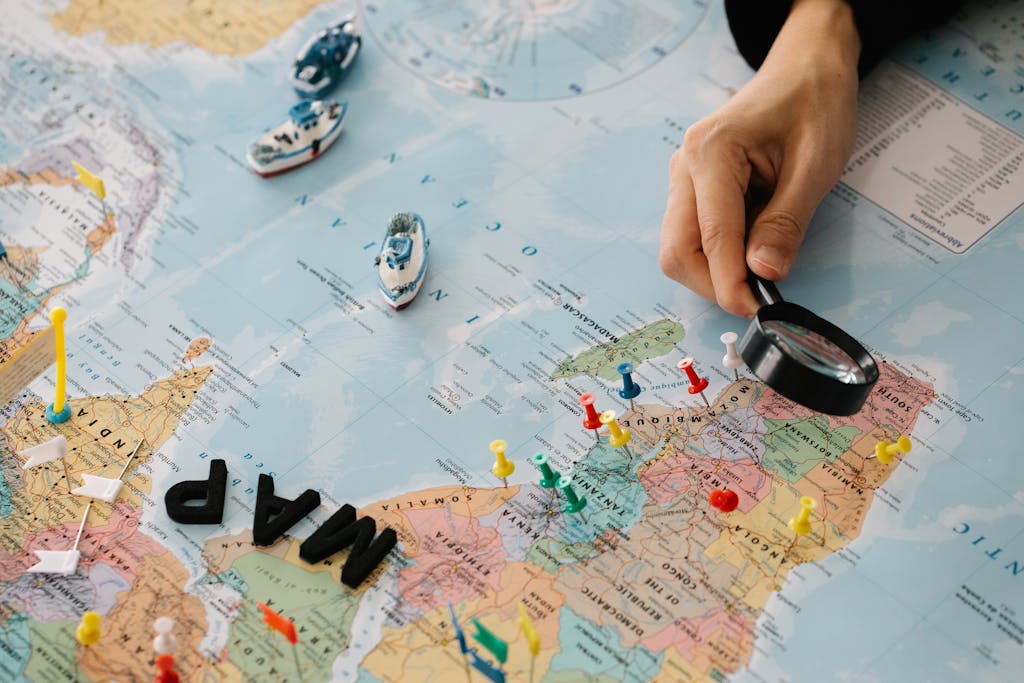
5. What technologies are commonly used?
GIS platforms, mobile apps, satellite imagery, and data analytics tools are commonly utilized.
Conclusion
Collaborative safety mapping represents a powerful intersection of technology, community engagement, and public policy. By combining digital tools with local knowledge, societies can better understand risks, plan infrastructure, and respond effectively to emergencies. The philosophy symbolized by juntos seguros map emphasizes cooperation, transparency, and shared responsibility.
As technological innovation continues and global challenges evolve, collaborative mapping will likely play an increasingly important role in public safety strategies. Governments, communities, educational institutions, and international organizations all contribute to this evolving landscape. Ultimately, sustained cooperation, ethical data practices, and inclusive participation will determine how effectively safety mapping enhances resilience and well-being worldwide.
ALSO READ MORE SocialMediaGirl: The Rise, Influence, and Digital Power of a Modern Online Identity 2026